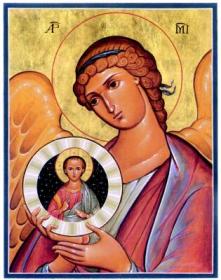
Last year when I posted my photos from Albania, I promised a follow-up post focusing on iconography. Reading about the Albanian adventures of this year’s missiology class inspired me to resume work on that post.
As with my previous Albania post, I drew heavily on the photos taken by other members of the expedition. The pictures will be organized roughly in the order of our itinerary in Albania. My narration will be minimal.
In addition to iconography in the narrow sense, I will feature other aspects of church art, particularly wood carving. And besides traditional ecclesiastical iconography, I will include some less traditional religious art. You can click on any picture to see it full-size.
Our first stop was Annunciation Cathedral, Tirana.


St. Anastasios

The archbishop’s throne

The baptistery chapel


St. Constantine

The Theotokos

St. Panteleimon

Two days later, we stopped at two schools on our way to Shen Vlash Monastery.


The Resurrection of Christ is a popular subject in new Albanian iconography.


At Shen Vlash

The refectory

The monastery chapel


Shen Vlash (aka St. Blaise)

The chapel at the diagnostic clinic.


Framed art at the student center

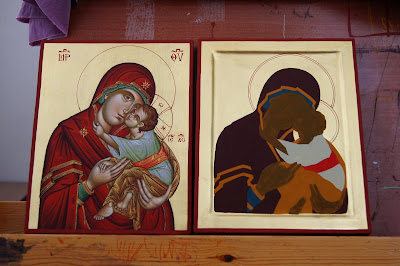
Nazareth Center houses various ecclesiastical arts, including the creation and restoration of icons and wordworking.



On our way to Korça we stopped for a fish supper at this restaurant in Shen Naumi.

The next day we visited the Metropoly.

Then we spent the rest of the morning sightseeing in Korça, starting with this church.

St. Haralambos


Inside a small shrine

The old cathedral


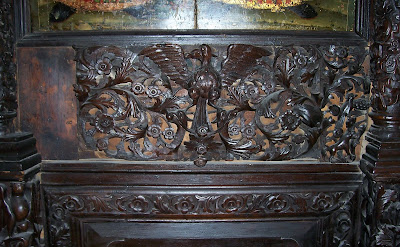

Monastery of the Nativity of St. John the Baptist, Voskopoja


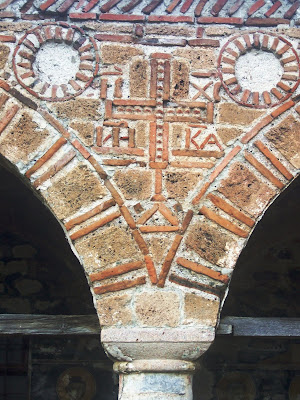

St. Ignatius

St. Nicholas

St. Katherine


Monastery of Ss. Peter & Paul, Vithkuq


The new cathedral in Korça

Church of St. Anna


Shen Naumi (St. Nahum)

Prophet Elijah

Chapel of St. Elijah, high above Korça

Church of the Resurrection, Pogradec

St. Marena


The Last Judgment

Exaltation of the Holy Cross

As with my previous Albania post, I drew heavily on the photos taken by other members of the expedition. The pictures will be organized roughly in the order of our itinerary in Albania. My narration will be minimal.
In addition to iconography in the narrow sense, I will feature other aspects of church art, particularly wood carving. And besides traditional ecclesiastical iconography, I will include some less traditional religious art. You can click on any picture to see it full-size.
Our first stop was Annunciation Cathedral, Tirana.


St. Anastasios

The archbishop’s throne

The baptistery chapel


St. Constantine

The Theotokos

St. Panteleimon

Two days later, we stopped at two schools on our way to Shen Vlash Monastery.


The Resurrection of Christ is a popular subject in new Albanian iconography.


At Shen Vlash

The refectory

The monastery chapel


Shen Vlash (aka St. Blaise)

The chapel at the diagnostic clinic.


Framed art at the student center

Nazareth Center houses various ecclesiastical arts, including the creation and restoration of icons and wordworking.


On our way to Korça we stopped for a fish supper at this restaurant in Shen Naumi.

The next day we visited the Metropoly.

Then we spent the rest of the morning sightseeing in Korça, starting with this church.

St. Haralambos


Inside a small shrine

The old cathedral


Monastery of the Nativity of St. John the Baptist, Voskopoja


St. Ignatius

St. Nicholas

St. Katherine


Monastery of Ss. Peter & Paul, Vithkuq

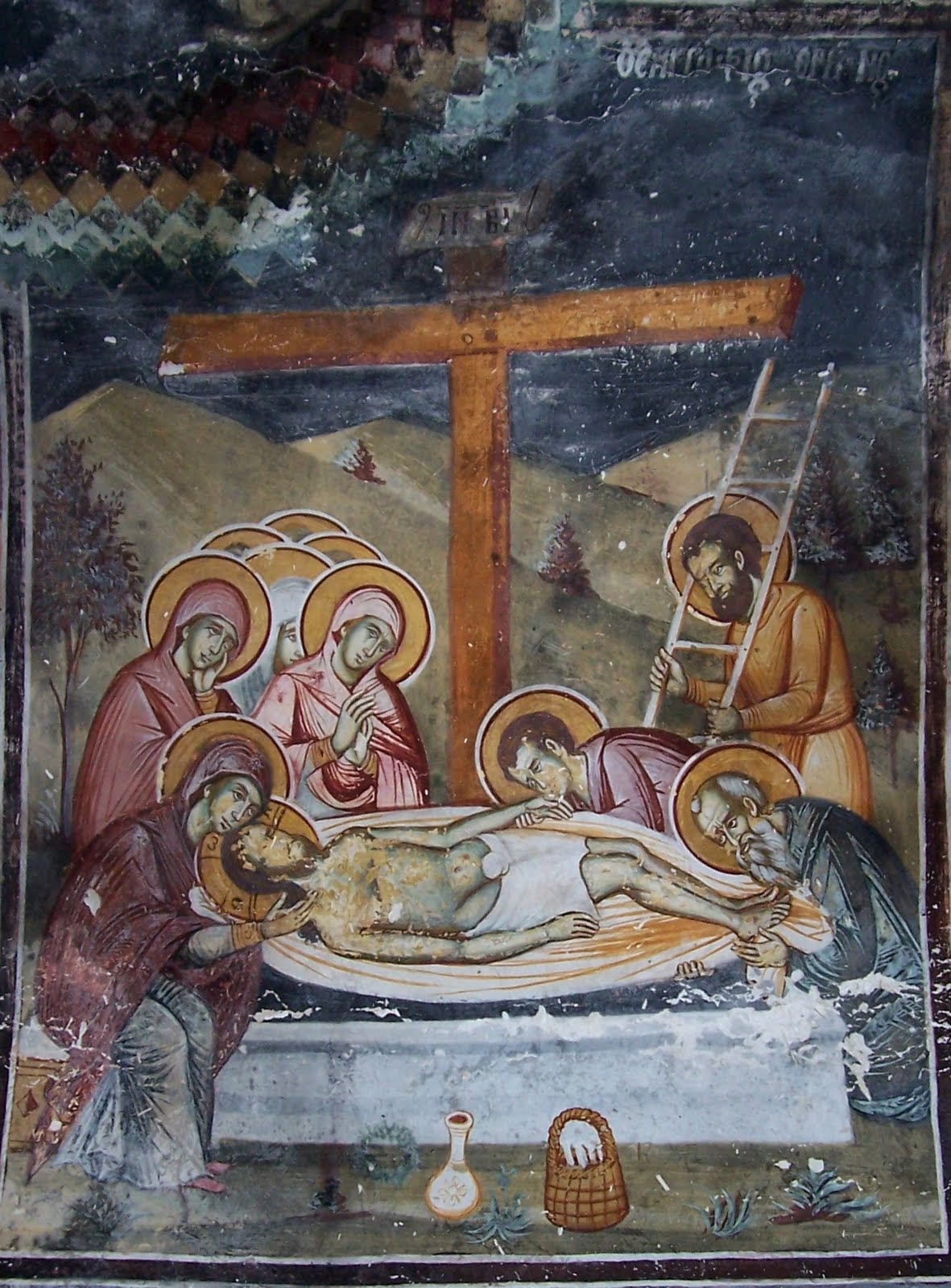

The new cathedral in Korça

Church of St. Anna


Shen Naumi (St. Nahum)

Prophet Elijah

Chapel of St. Elijah, high above Korça

Church of the Resurrection, Pogradec

St. Marena

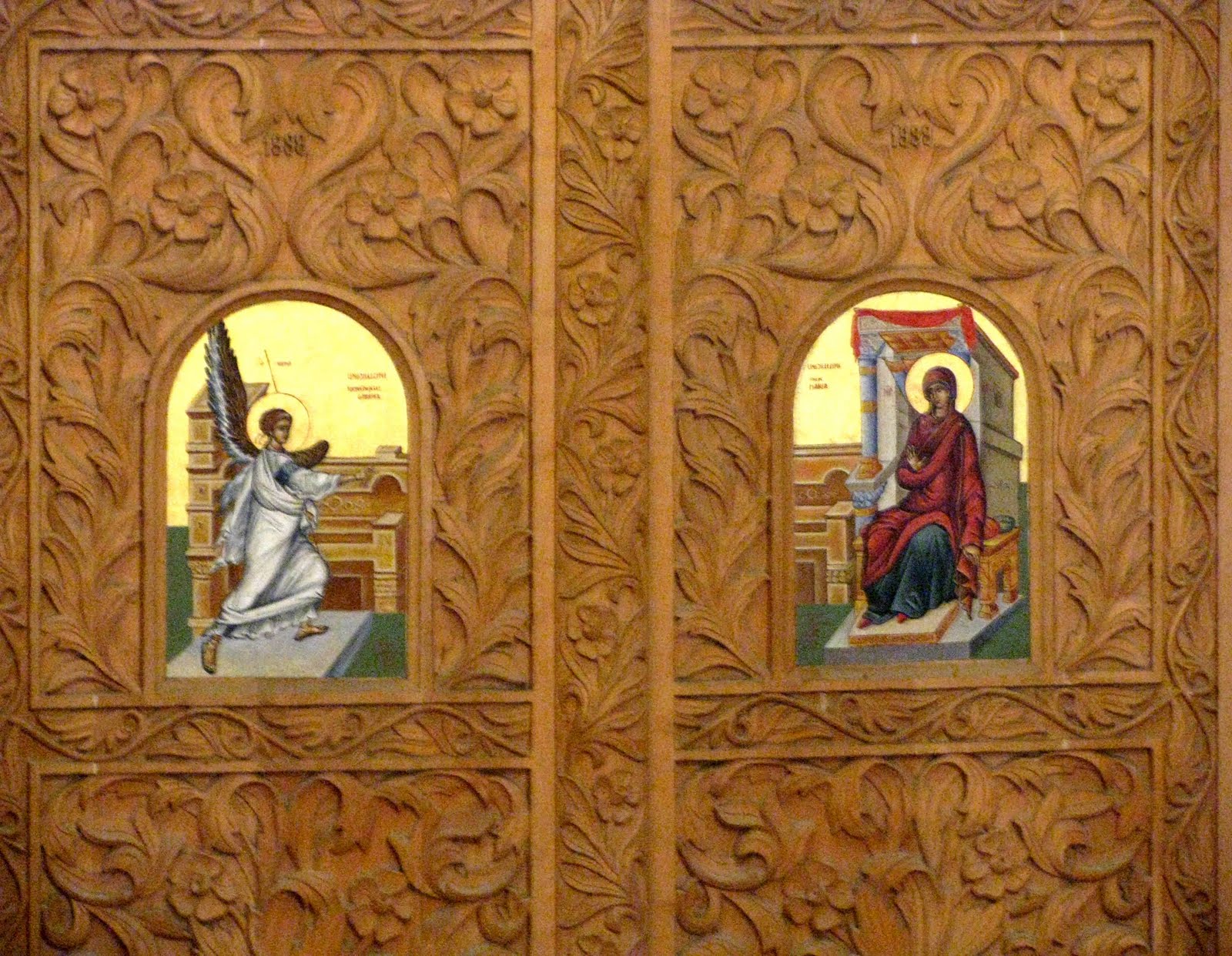
The Last Judgment

Exaltation of the Holy Cross